Hardware key storage
Private keys inside CC EAL5+ Secure Element. Physical confirmation required for every transaction. No software key exposure possible.
Ledger Wallet keeps your private keys inside a Certified Secure Element chip, never exposed to an internet-connected computer. 5500+ supported coins, fully self-custodial since 2014.
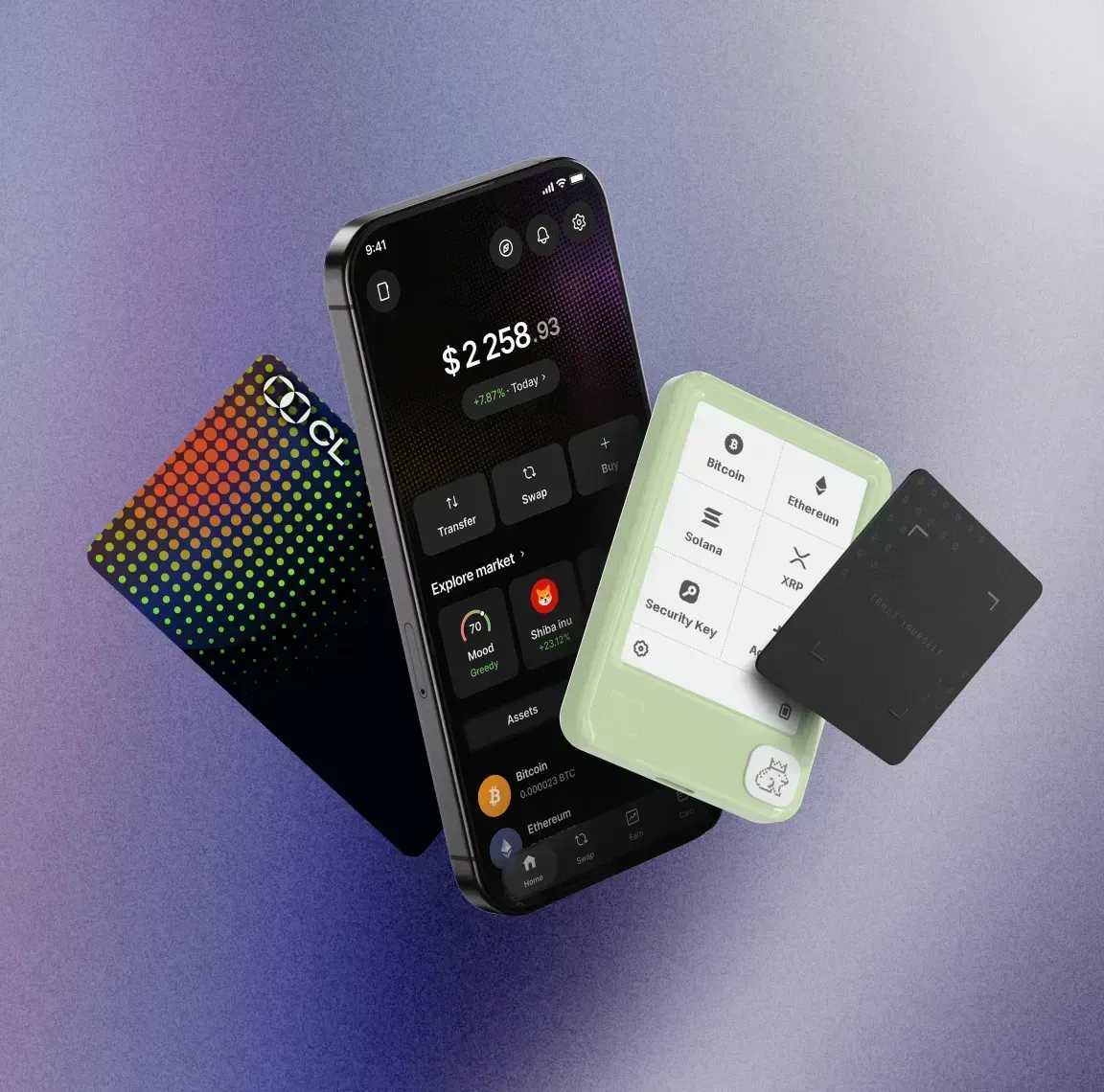
7M+
Devices sold worldwide
5500+
Supported coins
CC EAL5+
Secure Element cert level
2014
Founded in Paris
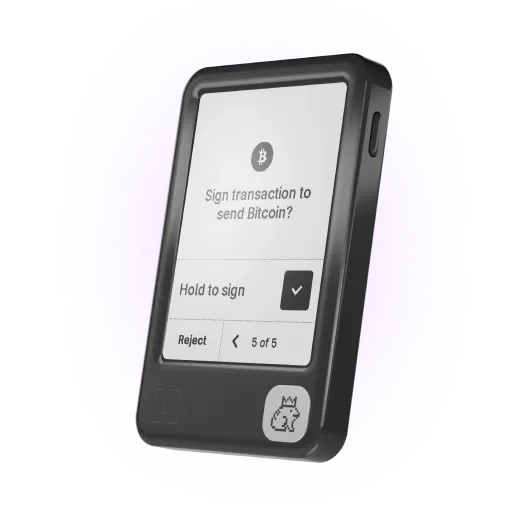
Secure Element
The core of every Ledger Wallet device is a Certified Secure Element chip — the same grade of chip used in passports and bank cards. Your private keys are generated inside it, stored inside it, and used inside it. They are never exported in any form to the connected computer.
When you approve a transaction, the signing happens entirely on the chip. The computer sees only the signed transaction, not the key that created it. This means a compromised computer cannot steal your funds.
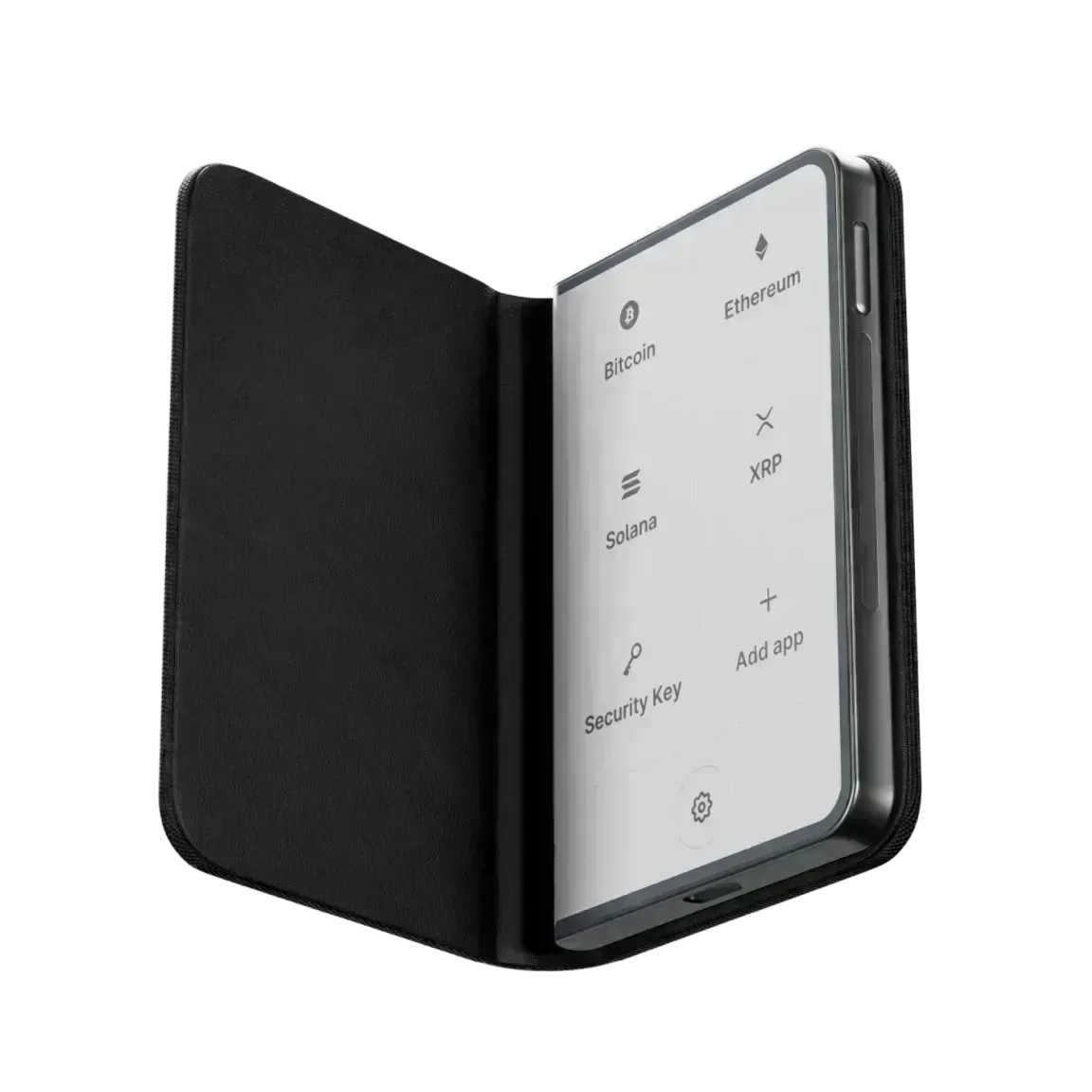
Ledger Live
Ledger Live is the companion software — available on Windows, macOS, Linux, iOS, and Android. It connects to your Ledger Wallet device to send, receive, stake, and swap assets. Every transaction is proposed by Ledger Live and physically confirmed on the device itself.
No action executes without your physical approval on the device screen. A hacked or malware-infected computer running Ledger Live cannot move funds without the device saying yes.
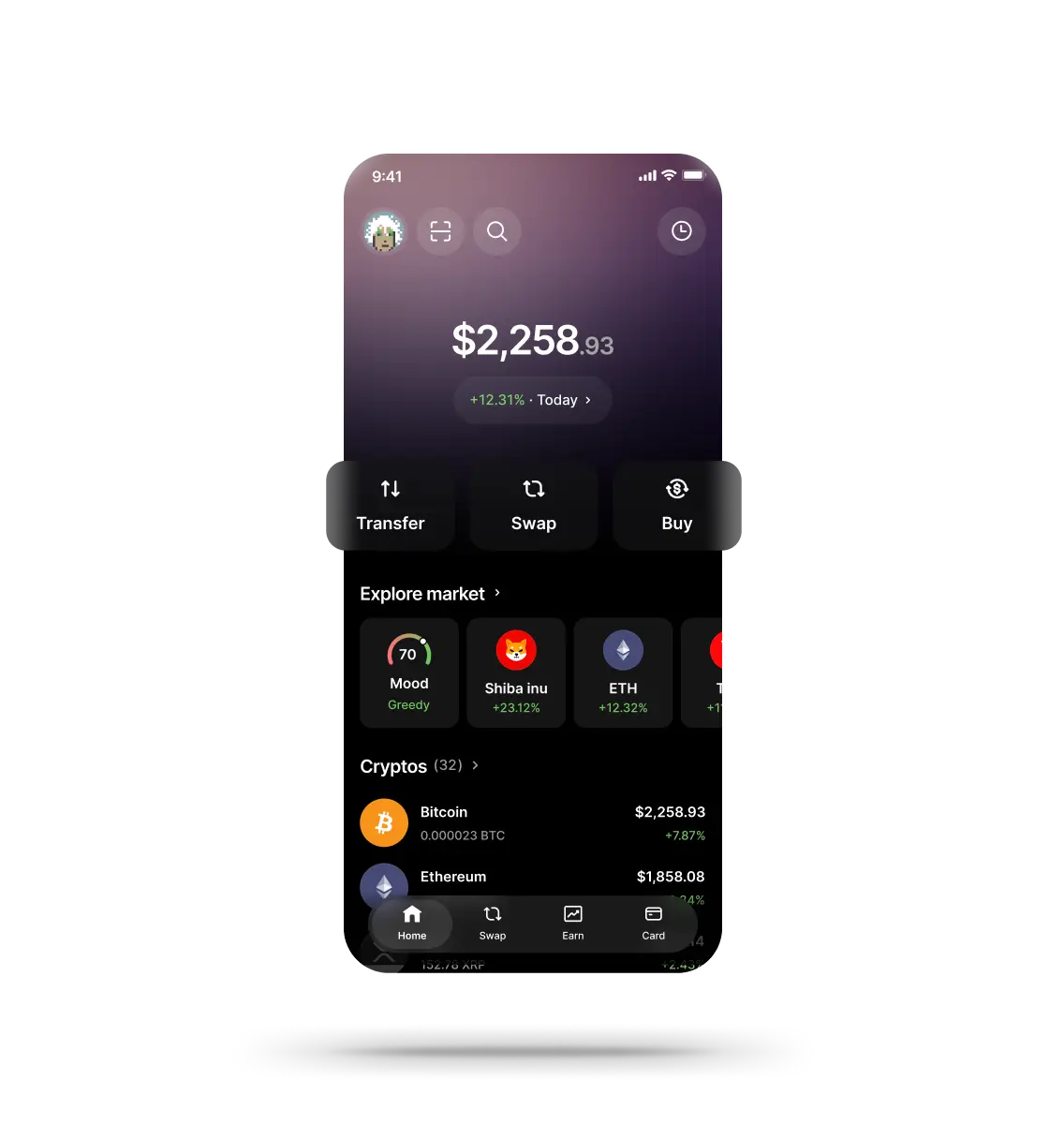
Multi-device
Ledger Wallet devices connect natively to MetaMask, Phantom, Coinbase Wallet, and dozens of other popular software wallets. You get the rich DeFi and dApp ecosystem of those wallets while your private keys stay in the Ledger Wallet hardware device.
The software wallet proposes; Ledger Wallet signs. This combination gives you hardware-level key security with the convenience of your preferred software interface.
Hardware wallets are not just for long-term holders. Ledger Wallet handles daily DeFi, staking, and NFTs too.
Private keys inside CC EAL5+ Secure Element. Physical confirmation required for every transaction. No software key exposure possible.
Stake ETH, SOL, ADA, ATOM, DOT, and more directly in Ledger Live with device confirmation. Rewards to your hardware-secured address.
Integrated providers let you buy with card and swap assets directly in Ledger Live. Every swap is confirmed physically on device.
Store Ethereum and Solana NFTs at hardware security level. View collections in Ledger Live and confirm any transfer on device.
Install coin apps on the device for Bitcoin, Ethereum, Solana, Cardano, Polygon, and hundreds more. Swap apps as needed.
Newer Ledger Wallet models show full, human-readable transaction details on the device screen before you confirm. No blind signing.
From unboxing to secured first transaction.
Only buy directly from Ledger or an authorised reseller. Second-hand or unofficial-marketplace devices may have been tampered with. Check the anti-tamper seal on arrival.
Use the physical buttons to choose a 4–8 digit PIN on the device itself. Never enter a suggested PIN — if any comes pre-set, the device has been compromised and must be returned.
WarningA genuine Ledger Wallet device always ships with an empty PIN. Any pre-set PIN means the device is not safe to use.
The device generates a 24-word recovery phrase. Write every word on the included Recovery Sheet, numbered and in order. Verify each word on screen. This phrase restores every account if the device is ever lost or damaged.
NeverEnter the phrase into any computer, phone, or website. Ledger Wallet will never ask for it digitally.
Keep the Recovery Sheet in a secure, offline location — a fireproof safe is ideal. Make a second copy and store it separately. Never photograph it, type it, or store it digitally.
RecommendedMetal backup plates (sold separately) are fireproof and waterproof alternatives to paper.
Download Ledger Live from ledger.com (not from search results). Connect your device, add your accounts, and install the coin apps you need through the App Catalog inside Ledger Live.
Receive a small amount, then send it to another address you control. Verify the destination address on the device screen — the device screen is the only source of truth. Confirm. Your cold storage setup is complete.
AlwaysVerify every address on the device screen before confirming. Computer screens can be manipulated by malware.
Four situations where cold storage makes the most sense.
Crypto you plan to hold for months or years belongs in cold storage. Software wallets carry risks whenever the connected device is online. Hardware wallets keep keys offline always.
Maximum key securityStake ETH, SOL, ADA, DOT, and more from Ledger Live with keys secured in hardware. Earn network staking rewards without exposing keys to online wallet software.
Secure stakingFor portfolios over a threshold you consider significant, the hardware investment is a small fraction of the downside risk. Cold storage is the standard approach for meaningful crypto amounts.
CC EAL5+ protectionUse MetaMask or Phantom with a Ledger Wallet device as the signing layer. Full DeFi access, hardware-level key security. Every transaction physically confirmed on device.
DeFi + hardwareBitcoin, Ethereum, Solana, and hundreds more — all with hardware-level key security.
Key security trade-offs at a glance.
| Feature | Exchange account | Software wallet | Ledger Wallet hardware |
|---|---|---|---|
| Key location | Exchange servers | Your device (software) | Secure Element chip, offline |
| KYC required? | Always | No | No |
| Survives compromised PC? | No | No | Yes — keys never leave chip |
| Physical confirmation? | No | No | Yes — button on device |
| Security certification | No | No | CC EAL5+ Secure Element |
| Assets supported | 50–500 | Chain-specific | 5500+ via Ledger Live apps |
| Works with MetaMask? | No | Yes | Yes — hardware signing layer |
| Recovery if lost | Support ticket | 24-word phrase | 24-word recovery phrase |
7M+
Devices sold
5500+
Supported assets
20%
Of all crypto secured
2014
Founded
“I sleep better knowing my Bitcoin is in cold storage. The setup was more involved than a software wallet, but the Ledger Live guide made it clear. The Stax’s E-ink screen for verifying addresses is a genuine improvement.”
Trustpilot reviewer
“I use my Nano X with MetaMask for daily DeFi. The hardware signing means even if my browser is compromised, I still approve every transaction on the device. It’s become the only way I interact with significant amounts on-chain.”
Reddit, r/ethfinance
What people ask before buying their first hardware wallet.
The basic setup — PIN, recovery phrase, receiving and sending — is walkable without deep crypto knowledge. Ledger Live has clear on-screen guidance. More advanced features like DeFi connection and clear signing need a bit more learning, but the setup guide covers the essential steps.
Your 24-word recovery phrase restores every account on any new Ledger Wallet device — or any other BIP-39 compatible wallet. The device is just hardware running your keys. Buy a new one, enter the phrase, and all your accounts are back.
After three incorrect PIN attempts, the device resets itself. You can then restore it from your 24-word recovery phrase. This is why securing the phrase matters more than remembering the PIN.
No. Ledger Wallet SAS has no master key and no server that stores private keys. The Secure Element chip generates and keeps keys entirely within the hardware device. Ledger Wallet has no technical ability to access, freeze, or move your funds.
Clear signing means the device screen shows a human-readable description of what you are about to approve — the destination address, token amounts, and what a smart contract call does — before you confirm. Older devices show only a raw hash. Ledger Wallet Stax and Flex have clear signing for supported contracts.
Ledger Wallet devices generate a 24-word BIP-39 recovery phrase. This is more entropy than the 12-word phrases used by most software wallets, providing a larger safety margin. The phrase is compatible with wallets that accept 24-word imports.
CC EAL5+ Secure Element. 5500+ assets. Physical confirmation on every transaction.